What small food producers should make easy to find online
They find a farm shop nearby, like the look of the produce and decide to check whether it is worth the journey.
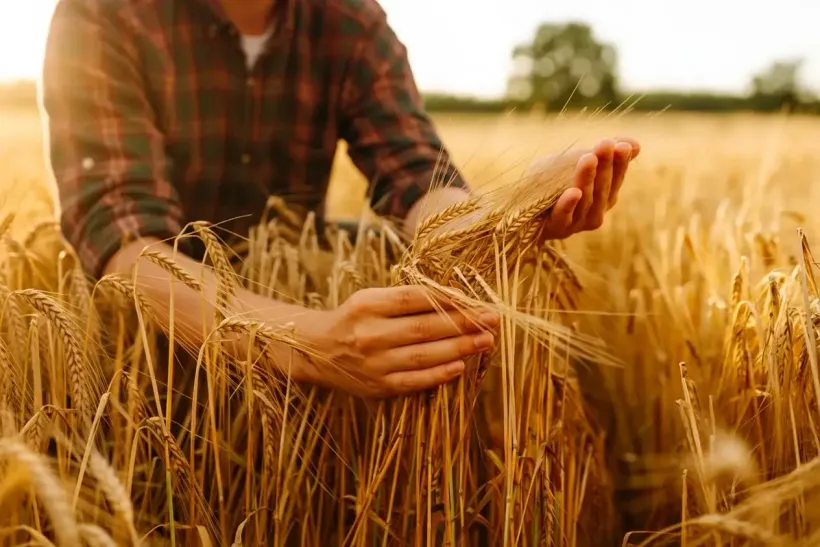
Imagine a customer planning Saturday lunch. They find a farm shop nearby, like the look of the produce and decide to check whether it is worth the journey. The photographs are inviting. The story of the family behind the business is engaging. But the opening hours are unclear, the vegetable box page has no collection details and the latest availability update refers to last summer.
That customer has reached the point where interest could become a purchase. Yet the information needed to make a decision is missing. They might telephone, send a message or try somewhere else. The producer may never know which happened.
For people running small food businesses, this is a useful place to start when reviewing a website. Before commissioning more content or another campaign, check whether someone who already wants to buy can work out how. My background is in SEO and digital marketing, and I am a farmer’s son. I believe the most useful online improvements often begin with ordinary questions asked at the counter.
Explain what the customer is buying
A product name and an attractive photograph can introduce an offer, but they do not explain its practical details. A vegetable box might suit one household and be far too large for another. A meat box might contain cuts that need different preparation. A restaurant buyer may need quantities that a household customer would never consider.
Describe the format, typical contents and quantity in plain language. Show the price and explain what it covers. Where contents change with the harvest, say what is fixed and what varies. If an item is priced by weight, explain how the final cost is established. A sample box should be labelled as an example, not presented as a promise of next week’s contents.
The same care applies to provenance. Distinguish what you grow or make from produce supplied by other businesses. A clear explanation of those relationships gives customers something meaningful to understand and discuss. General claims about quality are less useful than an accurate account of the food in front of them.
Make availability a current answer
Seasonality is part of the appeal of buying from a producer. It also creates a communication job. A page that says strawberries are available without any date can leave readers guessing long after the season has finished.
Separate your usual range from what can be bought now. Explain whether an item is in stock, available to reserve, expected later or finished for the season. Add a date to an availability notice and remove it when it no longer helps. If weather or harvest conditions make the timing uncertain, describe that uncertainty honestly.
The update process must fit the business. A short weekly availability note may be manageable where maintaining individual stock figures is not. Assign responsibility for it and make the current information easy to reach from the relevant product page. Avoid sending people through several social accounts to piece together an answer.
Distinguish opening hours from collection times
A working farm, its shop and its collection service may operate on different schedules. Visitors need to know which hours apply to them. An unattended collection point is a different proposition from a staffed counter, and an appointment is different from an invitation to drop in.
State the public opening hours, any separate collection windows and whether advance arrangements are required. Before Christmas and other holiday periods, publish the exceptions with their dates. Then check that the website, business listings and pinned social information tell the same story.
Directions deserve similar attention. A postal address may identify the business without identifying the customer entrance. Include the correct map location and a short description of the approach where that is useful. Explain parking or access arrangements that could affect a visit. Someone making their first journey should not have to guess whether they are entering a public shop or a private working area.
Give every product page a next step
Once a customer understands the offer, the next action should be obvious. That might be placing an order, reserving a box, checking delivery availability or calling to discuss a trade enquiry. Choose wording that describes what will actually happen.
If a form only sends an enquiry, do not make it sound as though submitting it confirms an order. Explain when and how confirmation will arrive, when payment is due and what happens if the requested item is unavailable. If customers must telephone, put the number beside the offer and make it usable on a mobile phone.
Delivery information belongs close to the buying decision. State the area covered, any minimum order, the charge and the relevant order deadline. For collection, explain where and when it takes place. There is no need to build a complicated online shop if the business cannot maintain it. A straightforward, well explained ordering process is a useful place to begin.
Set a response expectation that the team can meet. If messages are usually answered after the day’s farm work, say so. Customers can plan around a clear process more easily than an unexplained silence.
Plan for the weeks after Christmas
Christmas promotion creates a natural reason to update a food business’s website. The less obvious task is deciding what customers should see when the festive offer ends. A sold out hamper or an expired collection deadline should not remain the main invitation to buy in January.
For a business expecting a quieter start to 2027, prepare the next useful offer before the holiday rush. It might be a regular collection day, seasonal vegetables, a smaller household box or a clear explanation of a continuing delivery service. These are options to assess against your own products and margins, rather than reasons to discount automatically.
This is part of the thinking behind Buy From Farmers Direct, the newly launched UK platform I founded to connect people with farmers, farm shops and independent food producers. Our aim throughout 2027 is to help those businesses stay visible during quieter trading periods, particularly after Christmas, while making it easier for people to discover and buy from them directly. A directory can help someone find a producer; accurate information must then help them decide what to do next.
Treat useful information as part of operations
Keeping these details current needs an owner, just as stock ordering or opening the shop does. Decide who updates the website when availability changes, who checks holiday hours and who notices when an ordering link stops working. Keep a short list of the places where essential information appears so changes can be carried through consistently.
A practical review can start with a phone and one product. Ask someone unfamiliar with the business to find it, establish the cost, check availability and work out how to buy. Watch where they hesitate. Repeated questions from real enquiries can also reveal what the page needs to explain.
After making changes, keep a simple record of the enquiries and orders that follow, alongside the questions customers still ask. A rise or fall will have several possible causes, so avoid crediting every movement to the website. The immediate test is whether the information helps people complete the task in front of them.
The story behind a food business matters. So does the smaller promise made by its opening hours, product description and collection instructions. When those details are accurate and easy to find, a customer can move from admiring the business to knowing how to buy from it.
Thomas Claypole is the founder of Buy From Farmers Direct, a newly launched UK platform connecting people with farmers, farm shops and independent food producers. A farmer’s son with a background in SEO and digital marketing, he focuses on making local food easier to discover. He has a commercial interest in the platform discussed in this article. Find out more at buyfromfarmersdirect.co.uk.